
The best diet for Perimenopause

The best diet for perimenopause and brain fog? It’s probably not a diet you’ve heard of.
The MIND diet is one of the most evidence-backed eating patterns for long-term cognitive health. It's also one of the most practical. No restrictive elimination protocols, no eating in a tiny window, just a list of foods to include to help your brain function better.
Let me break it down for you.
What Is the MIND Diet?
MIND stands for Mediterranean-DASH Intervention for Neurodegenerative Delay. Yes, it's a mouthful, but the concept is simple. It combines the best of the Mediterranean diet and the DASH diet (a diet for high blood pressure), with a specific focus on nutrients that protect and support the brain.
Research has shown that following the MIND diet can significantly reduce the risk of Alzheimer's disease and age-related cognitive decline, even in people who don't follow it perfectly. That's the part I love. You don't have to be rigid about it. You just have to be consistent.
As a naturopathic doctor working with a lot of women in their 30s, 40s, and 50s, this matters to me deeply. Because cognitive changes can start earlier than we think and what you do today has a real and measurable impact on your brain decades from now.
What Does the MIND Diet Actually Look Like?
Here are the core foods and the targets to aim for:
Leafy Green Vegetables
6+ servings per day
This is the big one. Spinach, kale, arugula, romaine, swiss chard — they're all packed with folate, vitamin K, lutein, and beta-carotene. These nutrients have been directly linked to slower cognitive aging. Six servings sounds like a lot, but a big handful of greens in a smoothie, a salad at lunch, and some wilted spinach with dinner gets you there faster than you'd think.
Other Vegetables
1+ serving per day
Beyond the leafy greens, eat at least one other vegetable every day. Think colourful things like peppers, broccoli, carrots, beets, and zucchini. Variety means a wider range of antioxidants and phytonutrients to protect your brain cells.
Berries (especially Blueberries)
1 cup daily / 2+ servings per week
Blueberries are the star of the MIND diet for good reason. They're loaded with bioflavonoids, particularly anthocyanins which cross the blood-brain barrier and reduce oxidative stress. The research targets at least 2 servings per week as a minimum, but I personally love aiming for a cup daily. Frozen blueberries are just as nutritious as fresh and way more affordable depending on the season. Throw them in your oatmeal, a smoothie, or eat them straight.
Whole Grains
3 servings per day
Oats, brown rice, quinoa, whole grain bread, barley, farrow or others provide steady energy for your brain without the blood sugar spikes and crashes that contribute to inflammation and cognitive fog. Three servings per day is the goal: think oatmeal at breakfast, a grain-based bowl at lunch, and a side of brown rice at dinner.
Nuts
5+ servings per week
A quarter cup of nuts like walnuts, almonds, cashews, pistachios counts as one serving. Walnuts in particular are high in omega-3 fatty acids, which are critical for brain structure and function. Nuts are also a great source of vitamin E, which may help slow cognitive decline. Keep a container on your desk, in your car or in your gym bag for a grab-and-go option.
Beans and Legumes
4+ servings per week
Lentils, chickpeas, black beans, kidney beans they're affordable, filling, and an excellent source of plant-based protein, B vitamins, and fibre. B vitamins (especially B12, B6, and folate) are essential for managing homocysteine levels in the blood, which is an important risk factor for cognitive decline. Aim for about four servings per week. A lentil soup or chickpea curry are two of my personal go-tos.
Poultry
2+ servings per week
Chicken and turkey provide lean protein, choline, and B vitamins all important for neurotransmitter production and brain cell membrane integrity. Two or more servings per week is the target. Batch cooking some chicken at the start of the week makes this effortless. Adding poultry is also a good way to reduce saturated fat from beef and pork. Saturated fats can impact cholesterol levels and circulation to the brain.
Fish
1 to 3 servings per week
The MIND diet calls for at least one serving per week, but I often recommend aiming for three. Fatty fish like salmon, mackerel, sardines, and trout are rich in the omega-3 fatty acids EPA and DHA the building blocks of brain cell membranes. Low DHA levels have been associated with cognitive decline and depression. If fish isn't your thing, this is one area where a good quality omega-3 supplement can help bridge the gap. Don’t forget about canned and frozen fish as the omega-3 content is still valuable! We often use frozen or canned salmon in my house!
Olive Oil
Use It as Your Oil
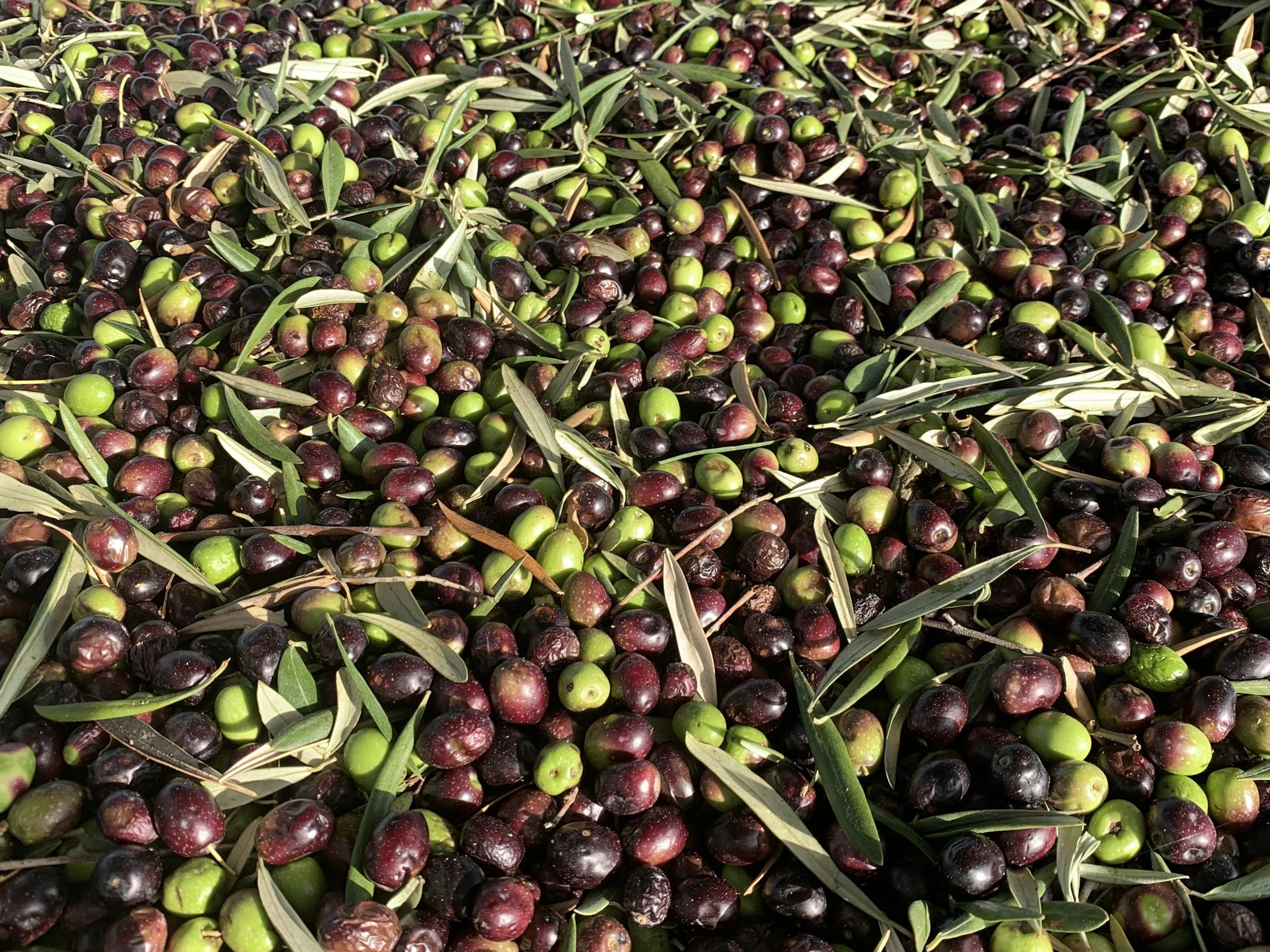
Extra virgin olive oil is rich in oleocanthal, a compound with potent anti-inflammatory effects. It's also a key source of vitamin E and healthy monounsaturated fats. Use it on salads, roasted veggies and drizzled over just about everything. I know there’s a lot of mis-information about cooking oils, but olive oil is super heart healthy!
Why I Recommend the MIND Diet to My Patients
I work with a lot of women navigating perimenopause and brain fog is one of the most common and distressing symptoms I hear about. Memory slips, word-finding difficulties, difficulty concentrating. It's real, it's frustrating, and it's not just in your head. The good news is that as you adapt to changing estrogen levels your cognitive function will LIKELY recover! This isn’t a permanent change.
Estrogen plays a major role in brain health, which is part of why cognitive symptoms can spike during perimenopause as hormone levels fluctuate. The MIND diet doesn't replace hormone therapy when it's warranted but it works beautifully alongside it to reduce inflammation, support neurotransmitter production, and protect the brain from oxidative damage.
Practical Tips to Start Today
You don't have to overhaul your entire fridge tonight. Here's where I'd suggest starting:
Add frozen blueberries to your breakfasts; oatmeal, smoothies, yogurt, or just a bowl on their own.
Keep a bag of walnuts or mixed nuts at your desk, in your car or in your gym bag.
Swap your main oil to extra virgin olive oil if you haven't already.
Make one fish meal per week non-negotiable. Canned salmon or frozen fish counts!
Build a big salad with leafy greens as your lunch base at least three times per week.
Add a can of beans to your next soup, stew, or grain bowl.
Swap white rice or white bread for a whole grain alternative.